Create
Develop your voice
Produce, compose, arrange, record, and design sound across music, film, games, and emerging media.
Virginia State University · Department of Music
Build the skills to record, produce, mix, and deliver sound across studios, stages, and emerging media. Then shape those skills around the work you want to make.
Bachelor of Arts in Music · Concentration in Music Production Technology
A program built around doing
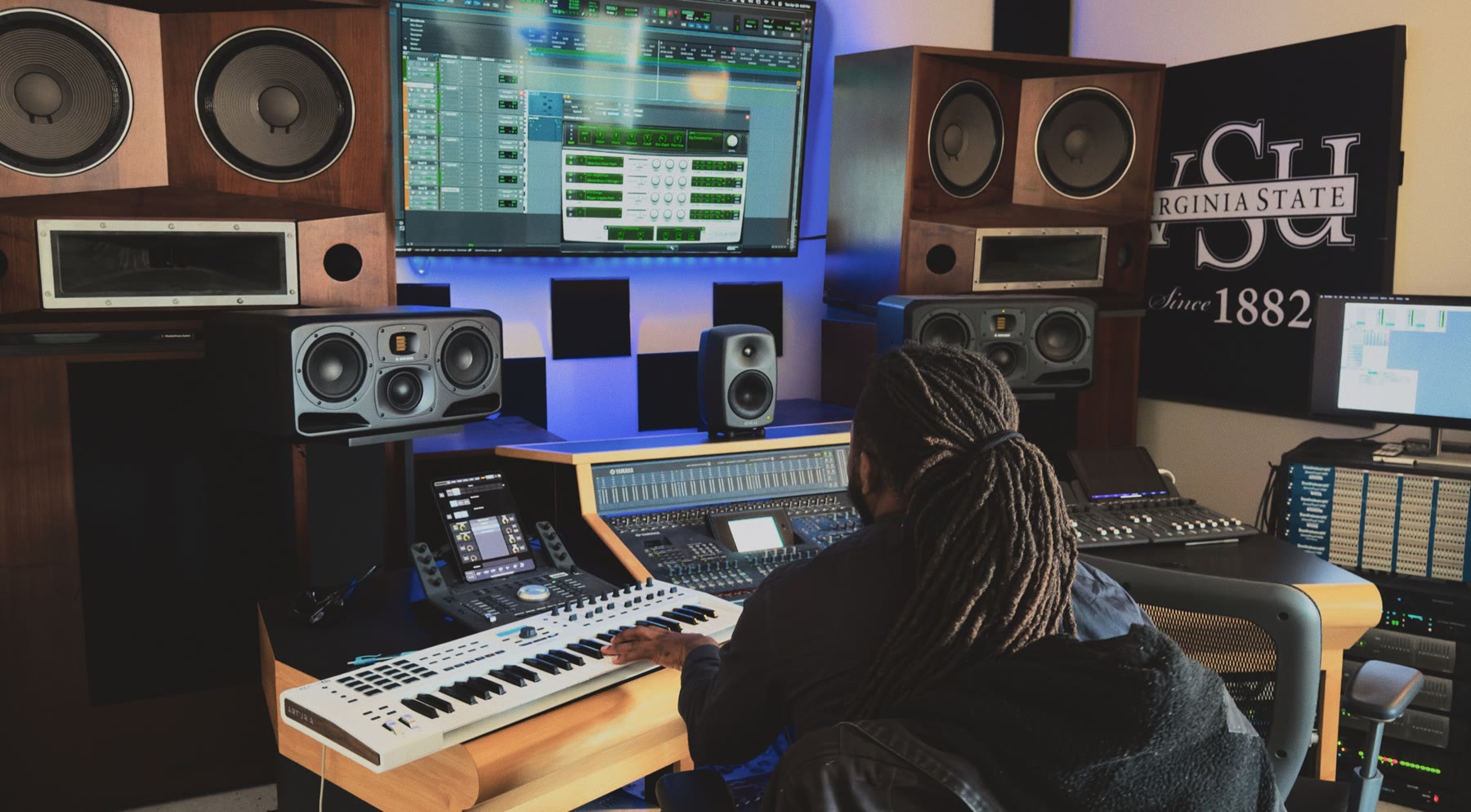
MPT sits at the intersection of musicianship, engineering, and creative technology. Every student builds a common technical foundation, then shapes that foundation through electives, studio work, certifications, and a senior capstone.
Create
Produce, compose, arrange, record, and design sound across music, film, games, and emerging media.
Engineer
Build fluency in tracking, editing, mixing, live systems, immersive audio, and critical listening.
Launch
Lead sessions, collaborate with artists, earn credentials, assemble a portfolio, and take real releases to market.
What makes MPT different
The Davis Hall studio network
Move from classroom fundamentals to independent production, focused mixing, and immersive delivery without leaving the program's own spaces.
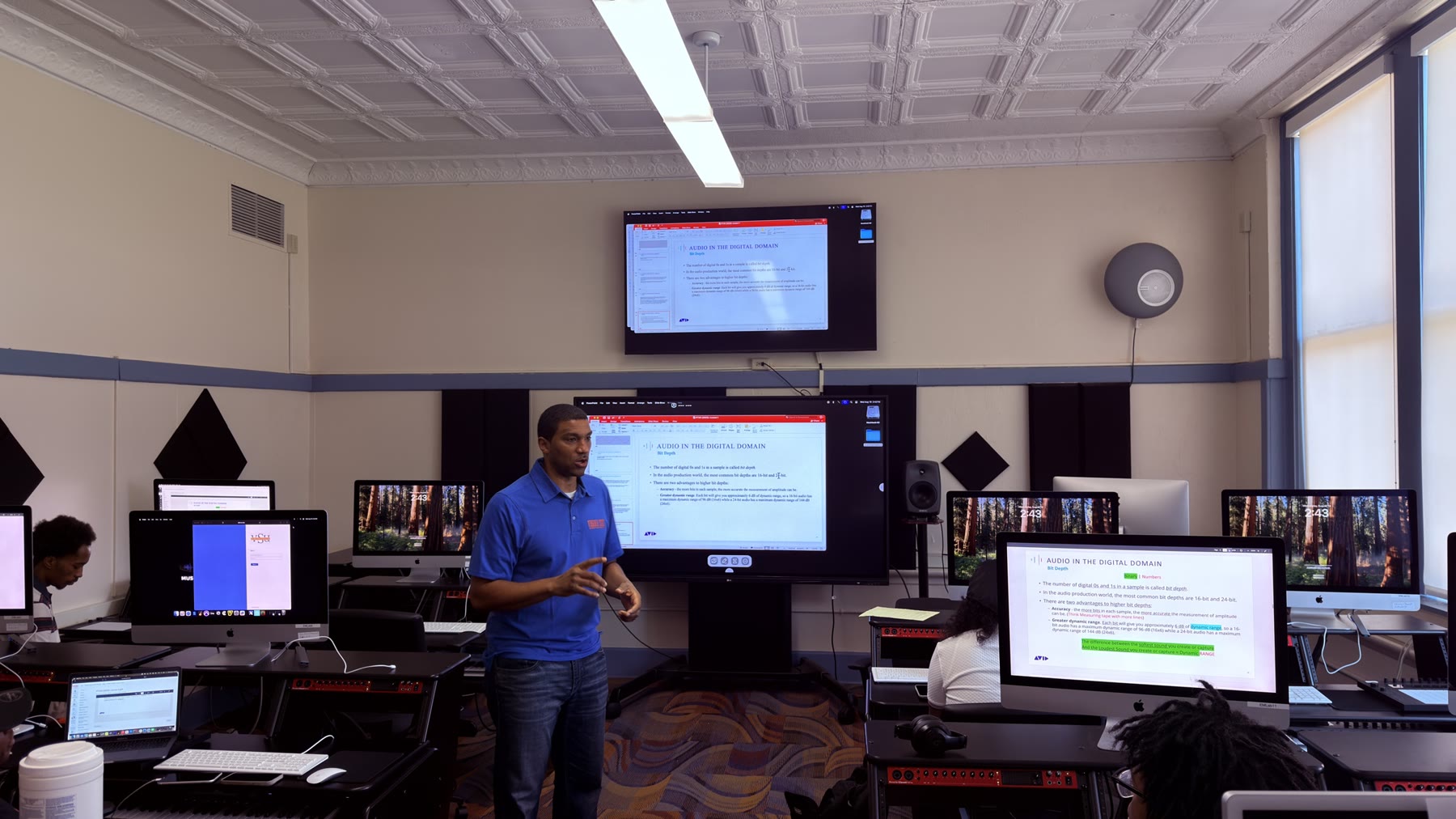
Ten identically equipped production workstations for classes, individual assignments, beatmaking, editing, sound design, and mixing.
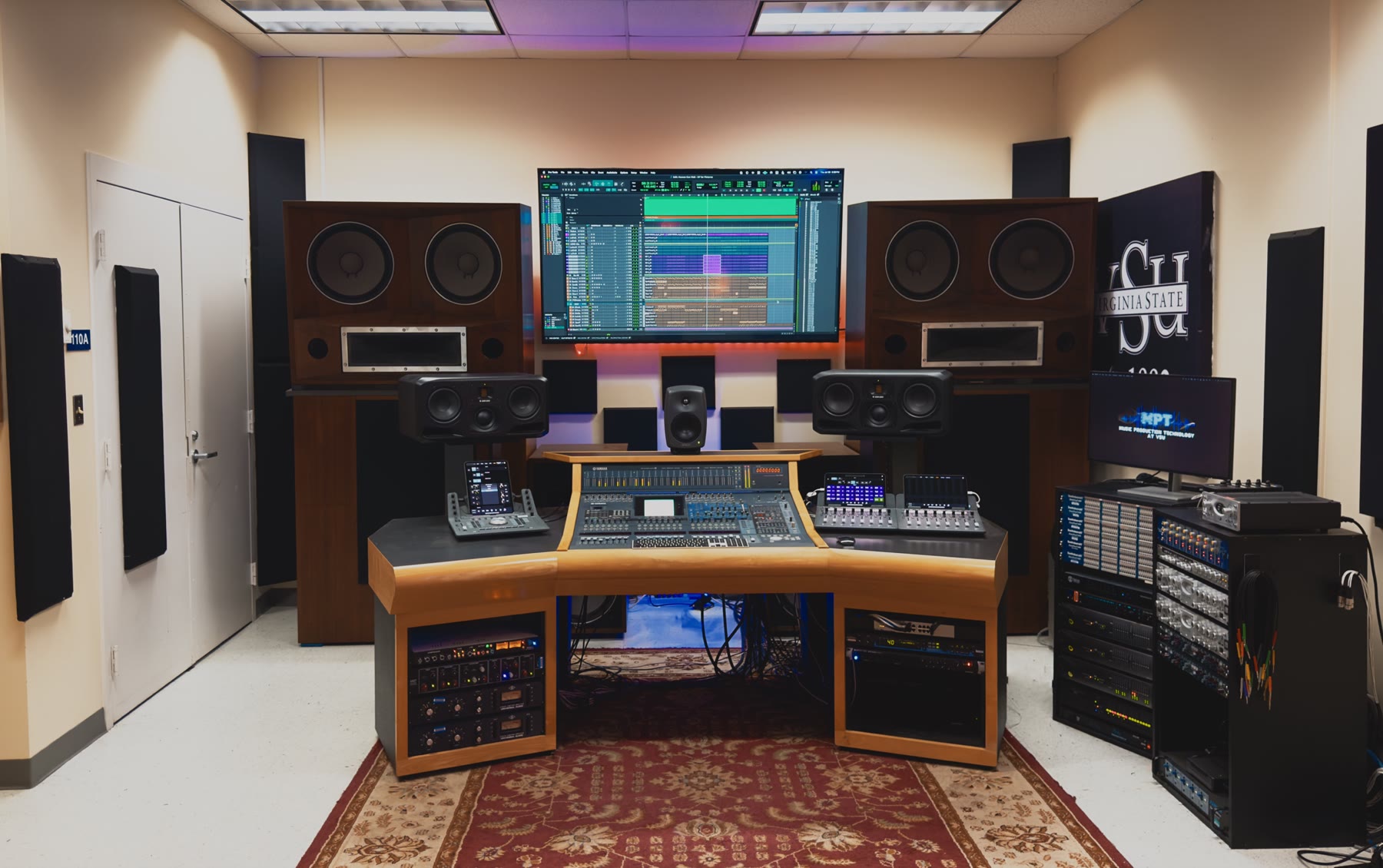
The program's main recording and production studio for tracking, arranging, critical listening, and hands-on mix work.
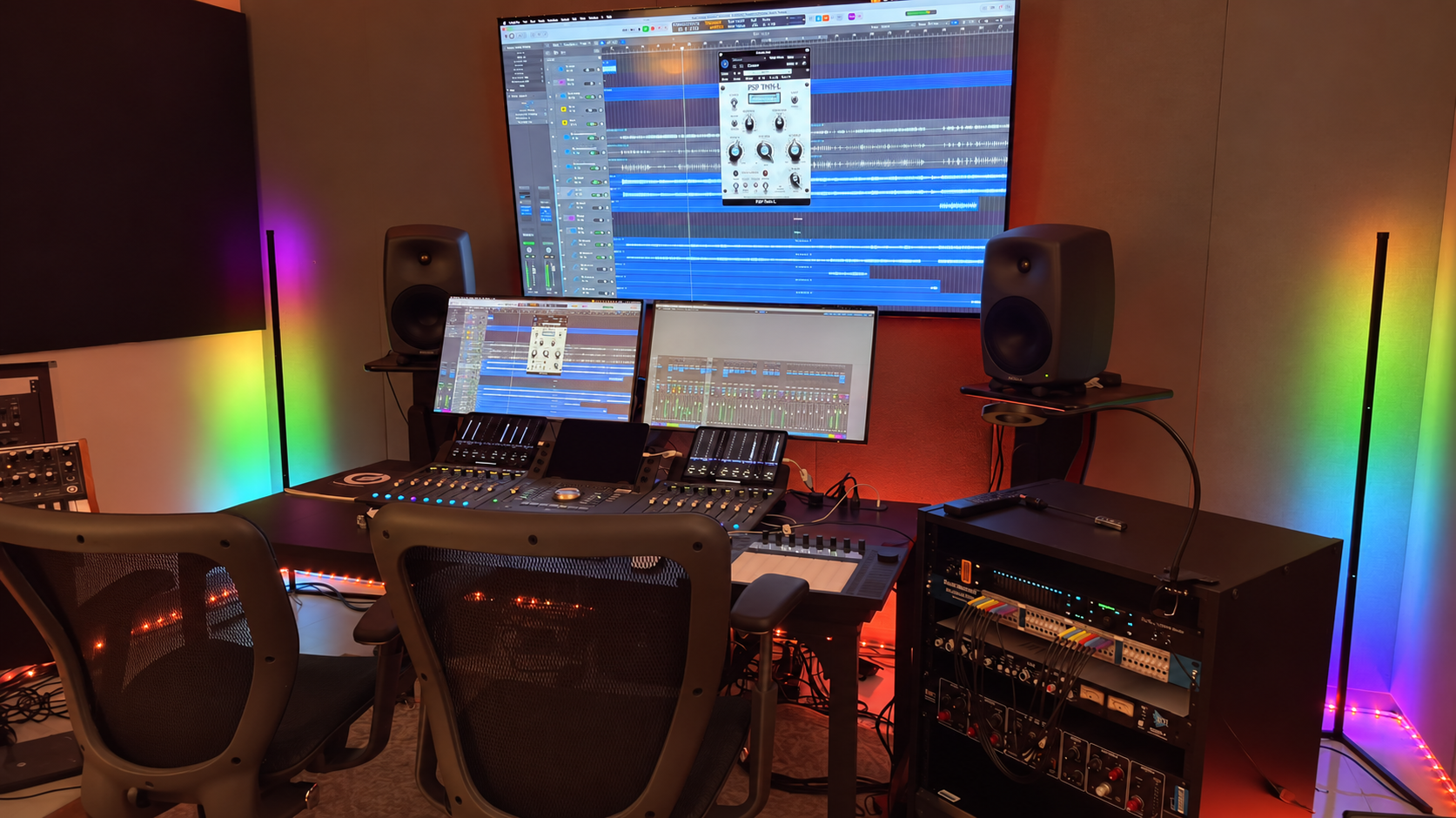
A focused room for tactile mixing, detailed editing, analog tone shaping, and hardware-synth production.
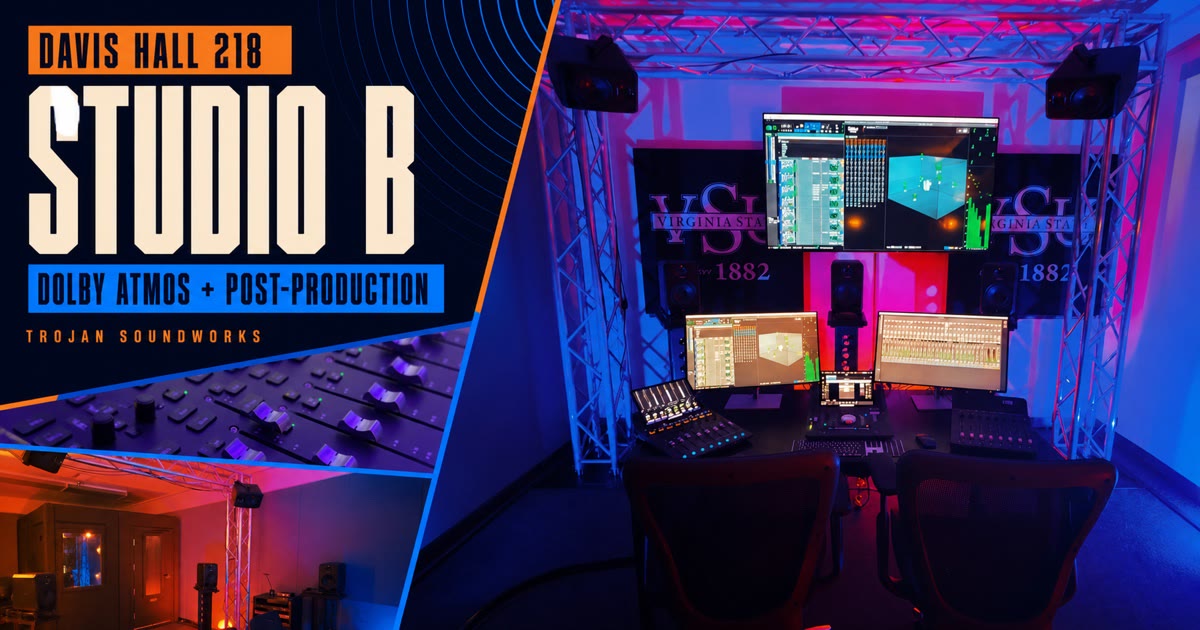
A dedicated Dolby Atmos and post-production environment for spatial mixing, sound to picture, and critical listening across the full soundfield.
Inside MPT
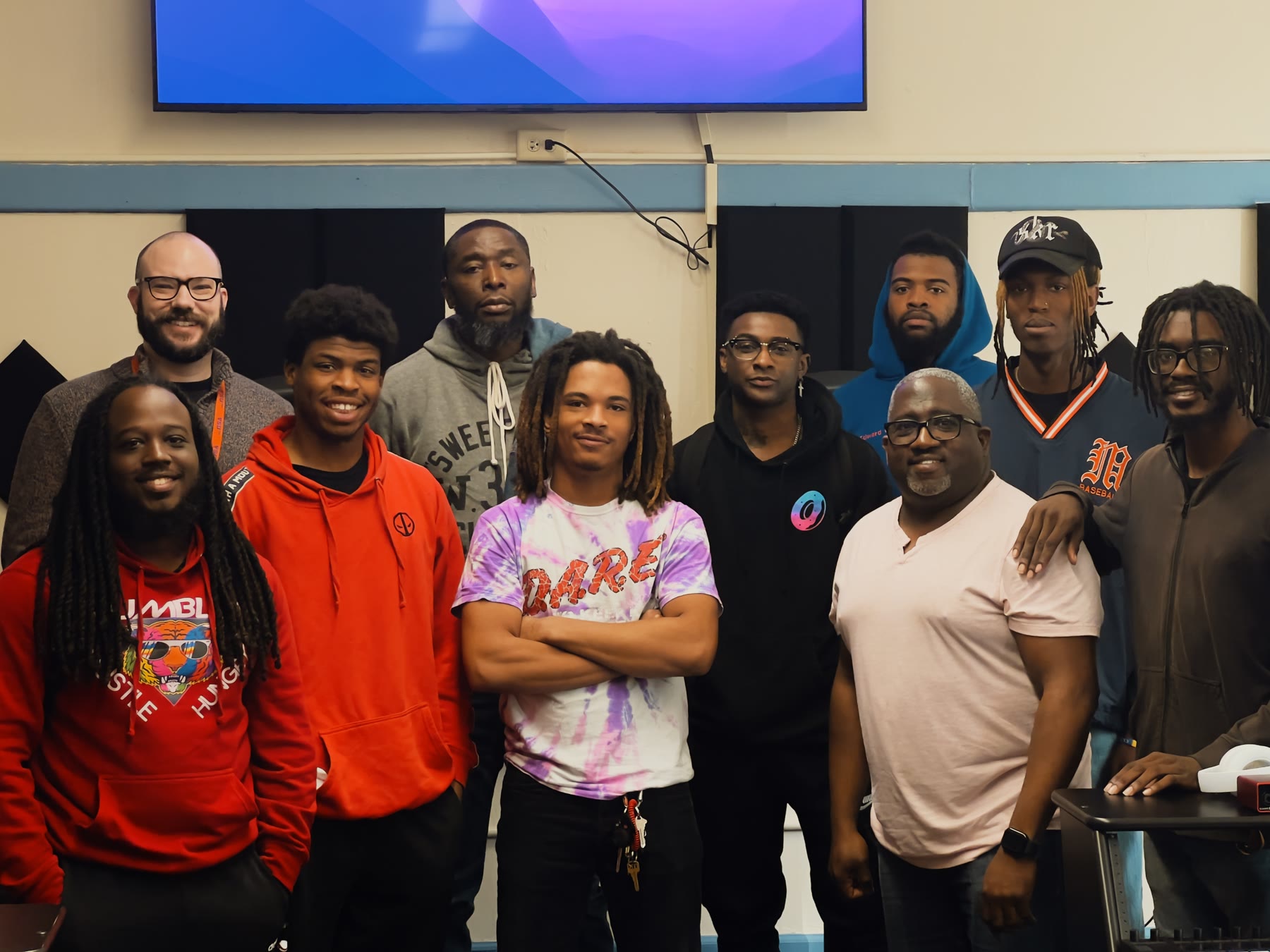
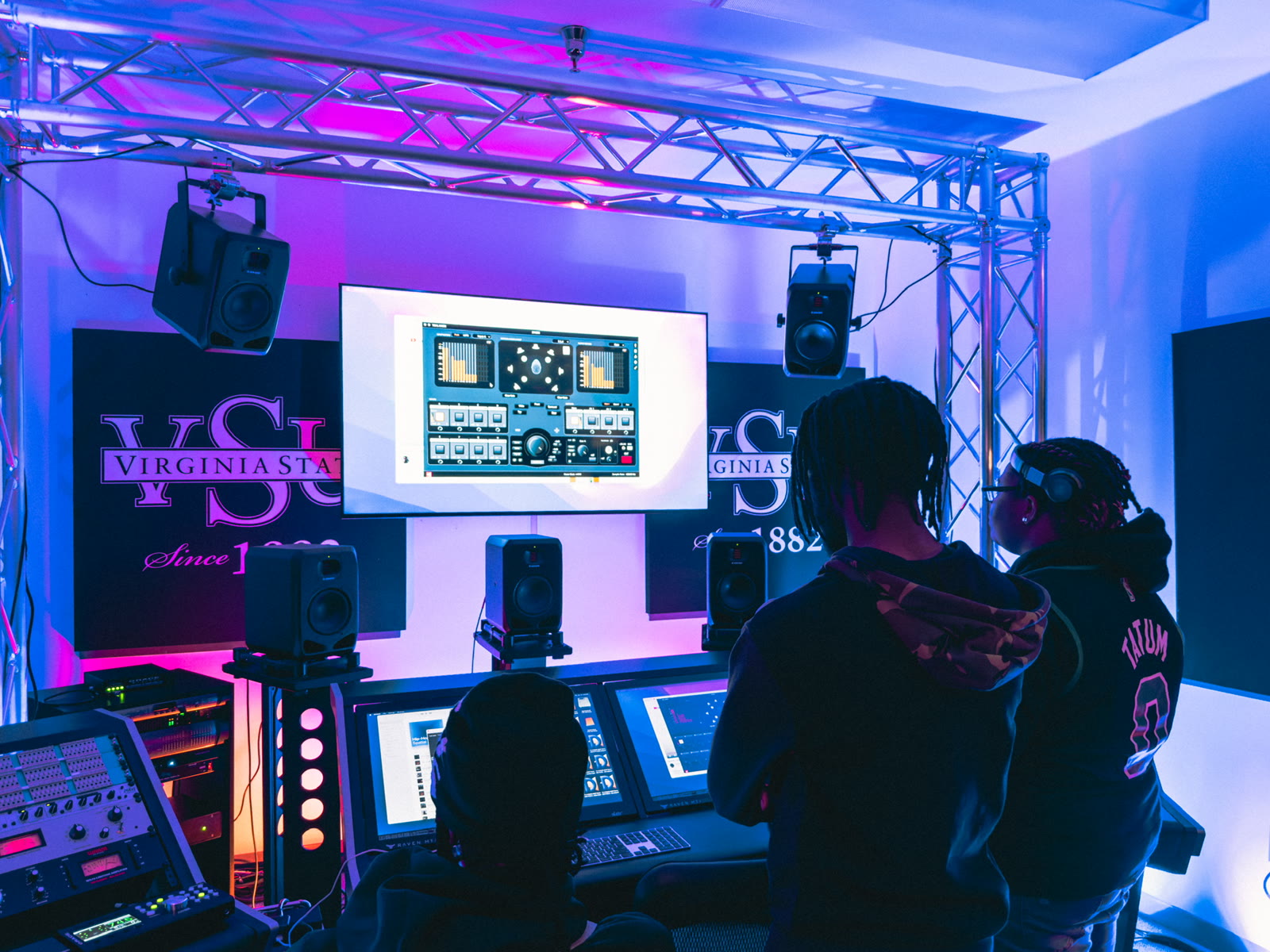
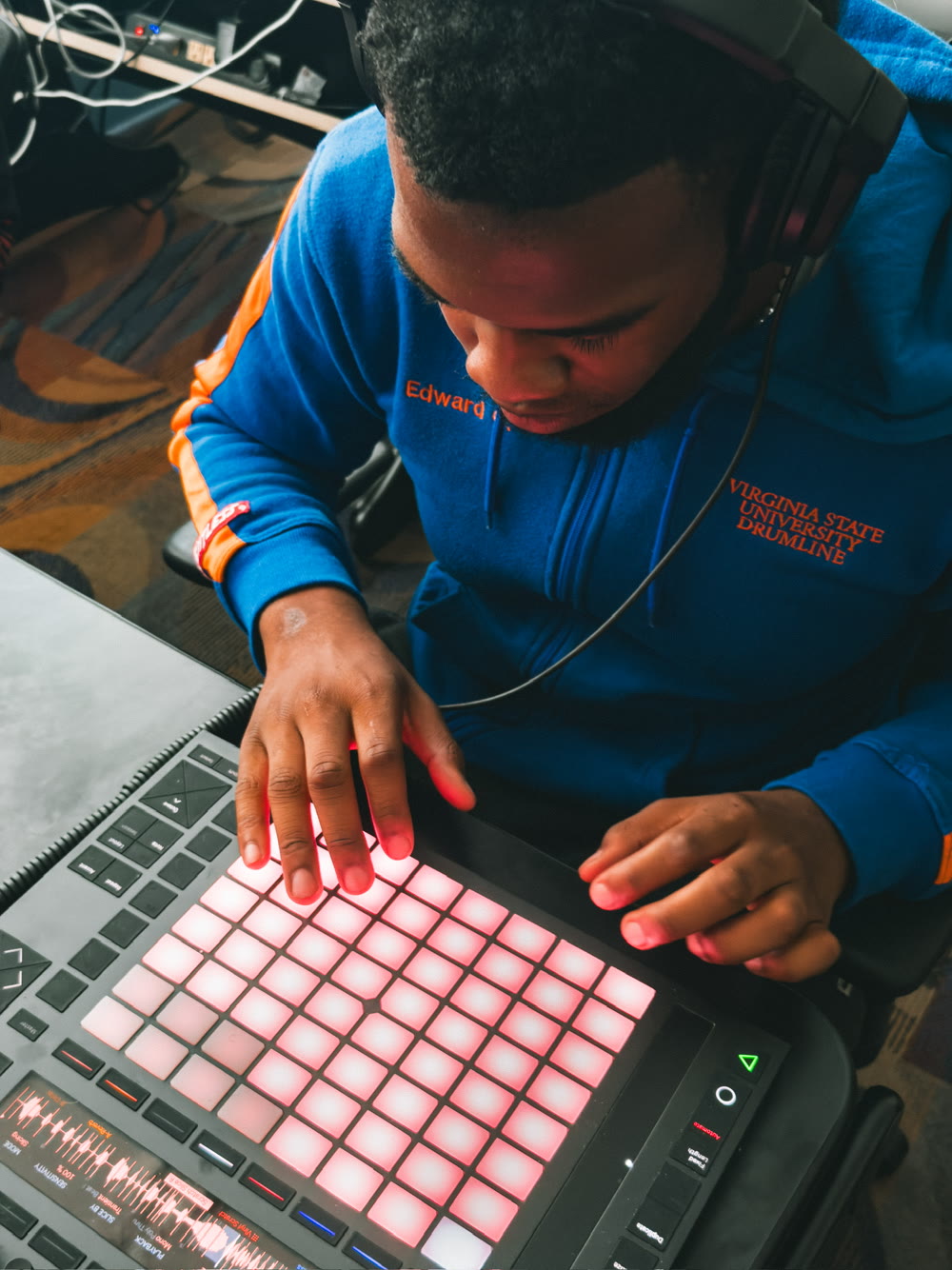
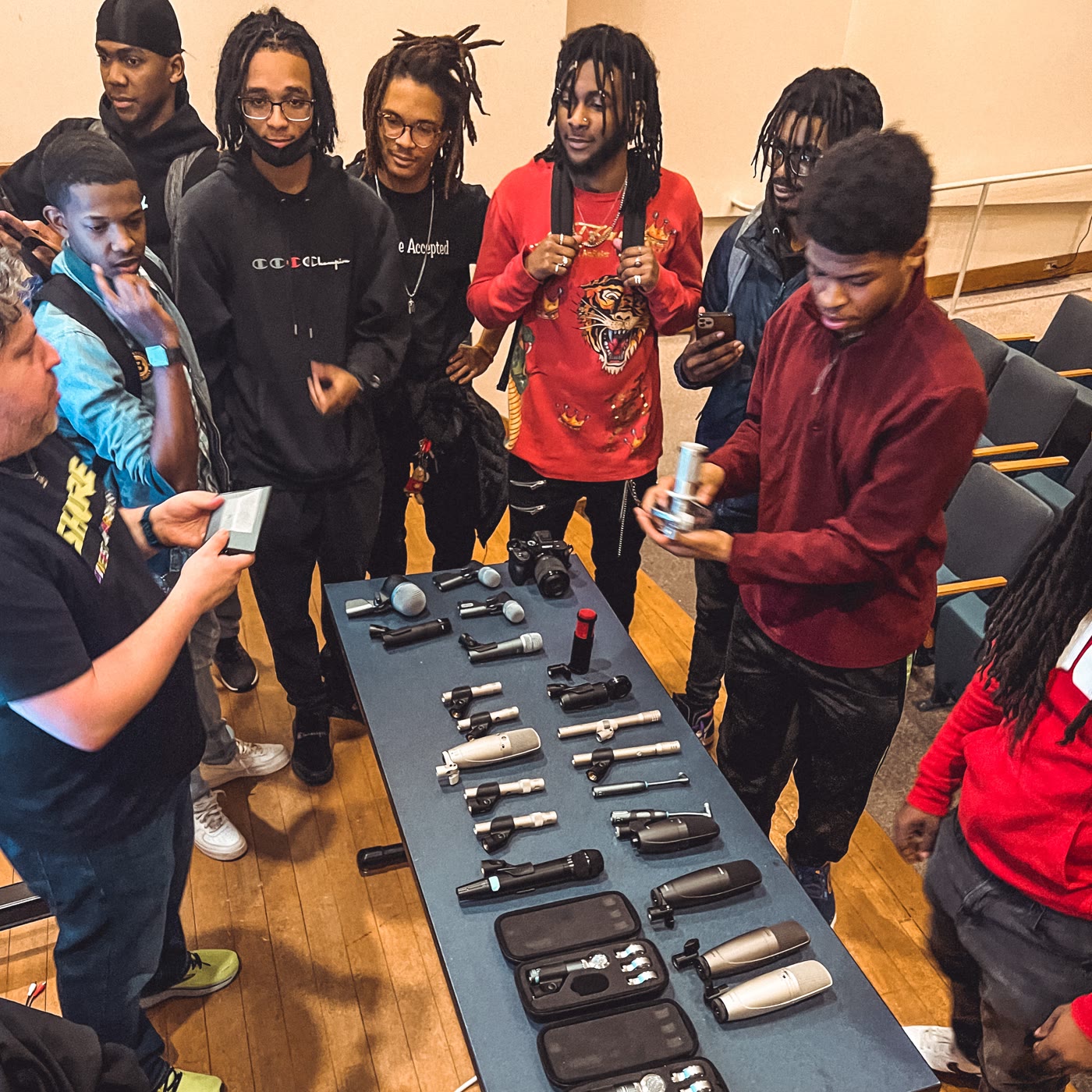
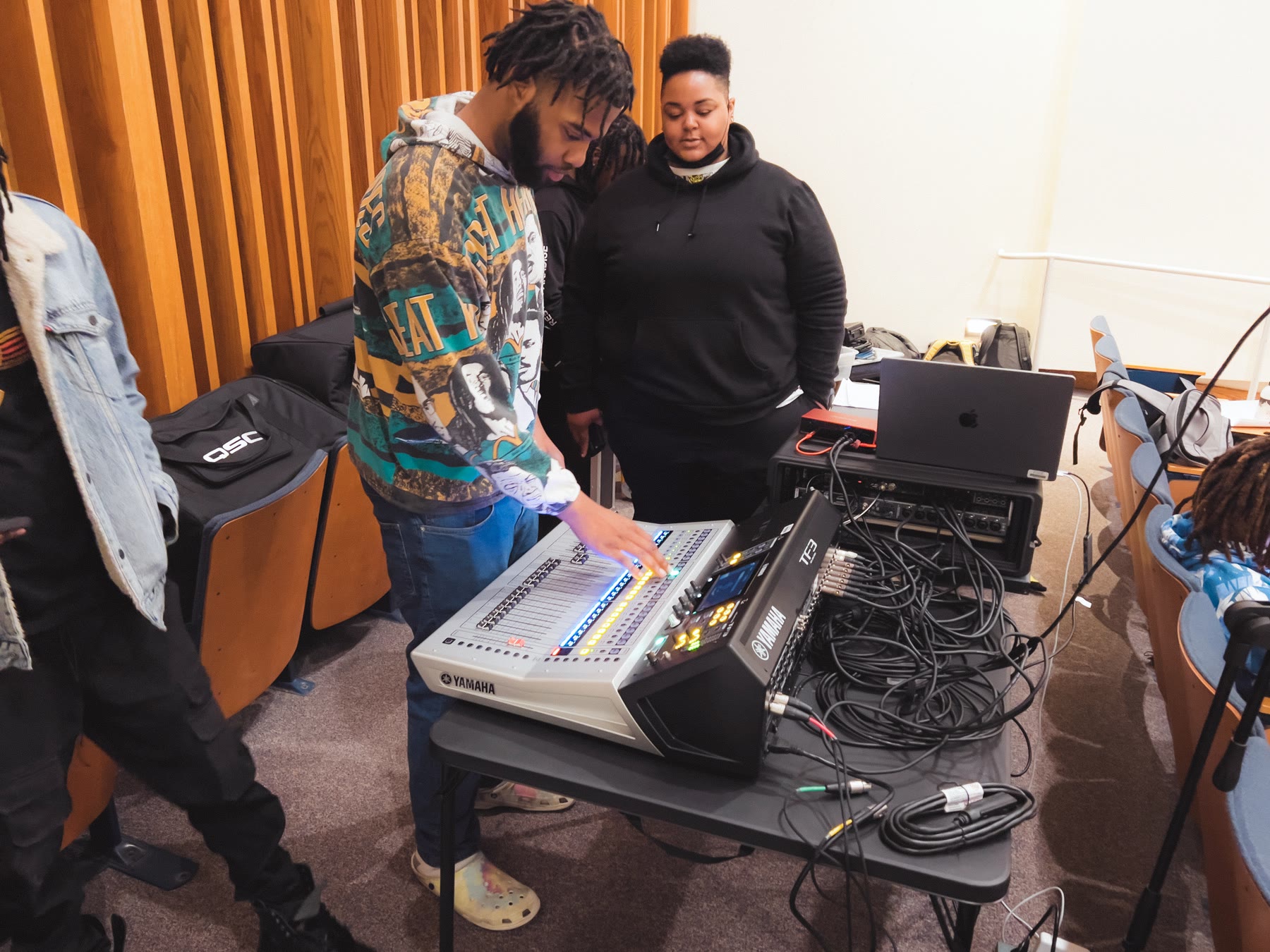
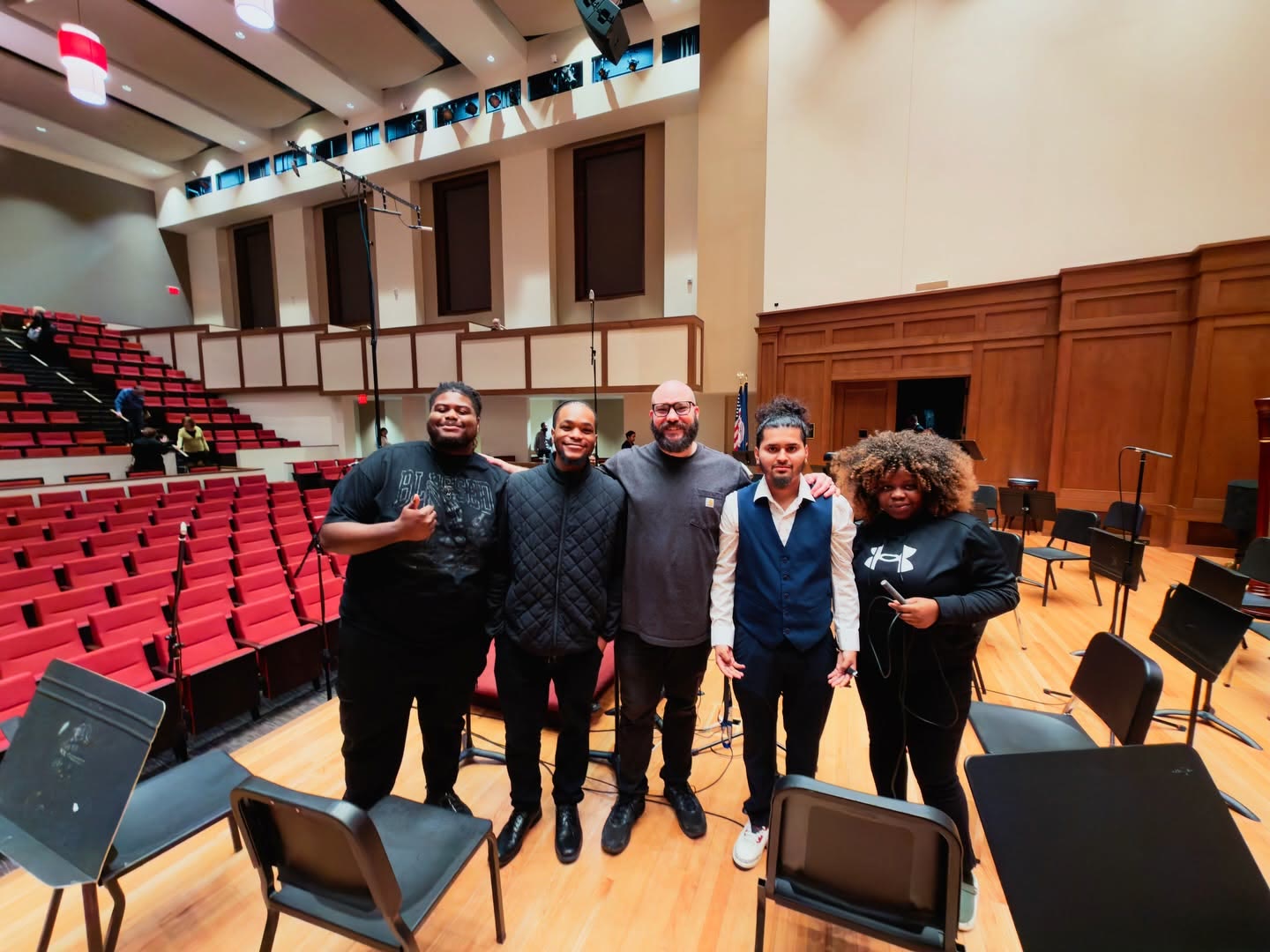
Class sessions become studio sessions. Ideas move from controllers and workstations to consoles, immersive rooms, performances, and release-ready projects.
Four years · one continuous build
The 120-credit BA combines music study, general education, production technology, electives, and a two-semester senior capstone.
Freshman
Sound fundamentals, signal flow, microphones, DAW foundations, studio etiquette, and the structure of the music industry.
Intro to the Music Industry · Intro to the Recording StudioSophomore
Pro Tools recording and editing, live-sound systems, front-of-house and monitor workflows, EQ, and dynamics.
Intro to Live Sound · Pro Tools 101Junior
MIDI, synthesis, virtual instruments, session leadership, mixing, and the first required MPT elective.
Electronic Music · Studio Musicianship · MPT ElectivesSenior
Curate a professional portfolio, propose a capstone, execute the approved project, and present the final result.
Studio Seminar I + II · Portfolio · CapstoneBuild your emphasis
Credentials that travel
Industry-recognized credentials are woven into the coursework, helping graduates show both creative range and verified technical preparation.

Recording, editing, mixing, post-production, and broadcast workflows.

Audio-over-IP foundations for live, broadcast, installed, and networked sound.

Interactive audio implementation for games and real-time media.

MIDI concepts and applied practice across production, performance, and software instruments. This certification is in development. Program Coordinator Dustin Painter serves on the MIDI in Music Education Editorial Board and is helping design and implement the credential.
Almost live.
Student run.
Faculty guided.
Launching soon · The MPT student record label
Trojan Soundworks is preparing to launch as the program's student-run record label. Students will make real production, release, marketing, and business decisions for VSU projects, student artists, and community partners under faculty supervision.
A&R, engineering, producing, and creative direction.
Contracts, split sheets, rights, and royalty management.
Campaigns, playlist pitching, content, and analytics.
Live sound, event streaming, and community collaboration.
Where the work can lead
Audio careers often combine studio work, freelance projects, live production, media, and entrepreneurship. MPT is designed for that reality.
Faculty + advising
Program Coordinator · Music Production Technology
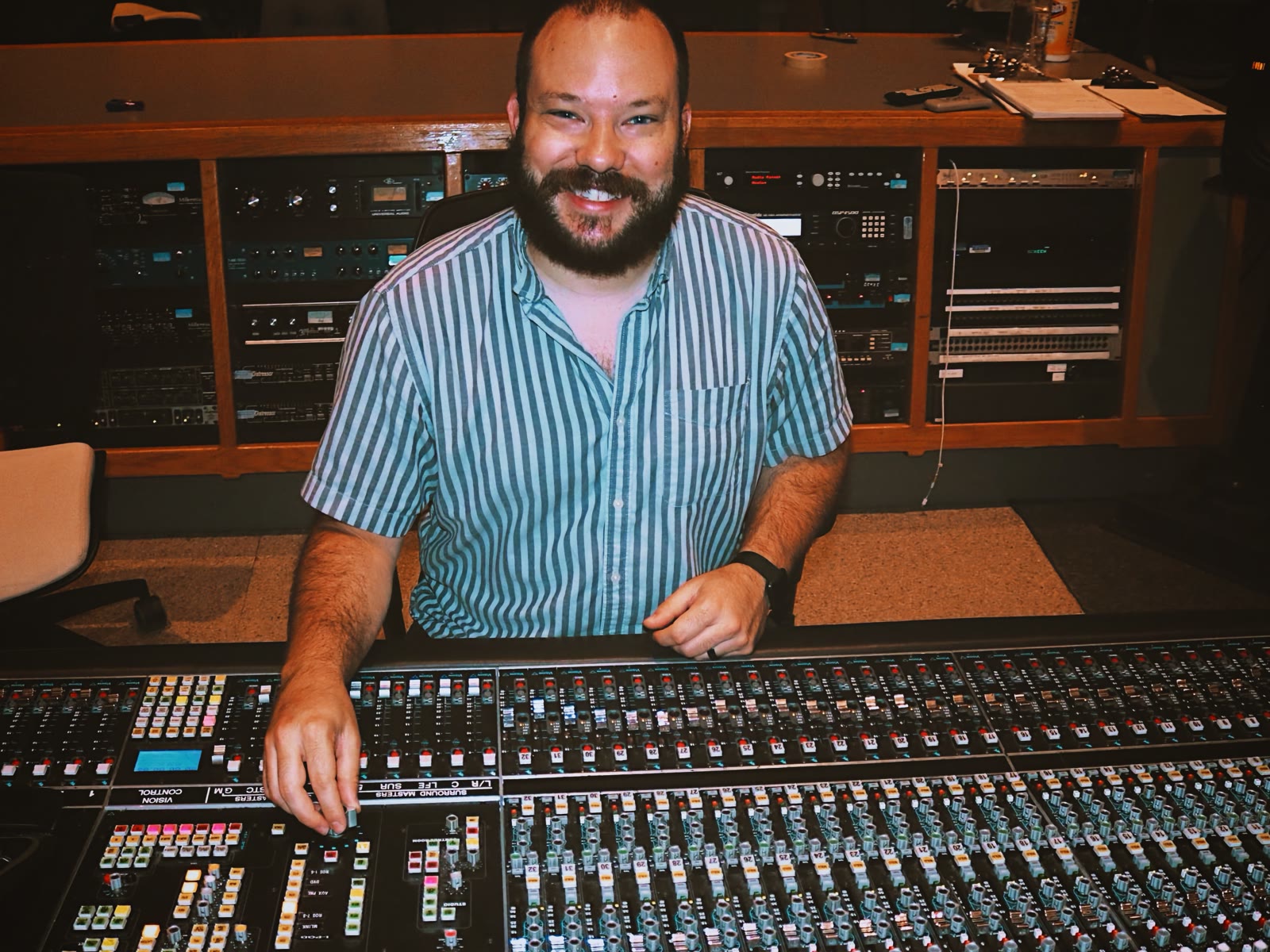
Dustin Painter is the Coordinator of Music Production Technology at VSU, where he teaches audio production, electronic music, sound design, media composition, and immersive audio. He led the design and development of the program's four production spaces in Davis Hall, including its recording studio, 7.1.4 Dolby Atmos mix room, and electronic music labs. His teaching connects technical fluency with creative exploration and prepares students to work across music, film, and interactive media.
Painter remains active as a recording specialist, mix engineer, and composer, with credits across more than 80 film, television, game, and immersive-media projects. He holds bachelor's degrees in Music Education and Commercial and Electronic Music from Western Carolina University, a graduate certificate in Scoring for Motion Pictures and Television from the University of Southern California, and an MFA in Recording Arts and Technologies from Middle Tennessee State University.
He also serves on the MIDI in Music Education Editorial Board, helping design and implement an emerging professional certification for music educators. His industry engagement includes academic advisory and educator ambassador work with ADAM Audio, Eventide, PSPAudioware, oeksound, and Audiomovers.
Painter is currently pursuing a Doctor of Education (EdD) in Educational Administration and Supervision at Virginia State University. His research explores how undergraduate music technology programs can develop foundational musicianship through DAWs, studios, recording, synthesis, and other production practices. Using VSU as an improvement setting, he is examining how an applied music production pathway might broaden access for production-centered and nontraditional musicians while preserving shared standards of rigor and creating a model that other collegiate music technology programs can adapt.

Instructor · Music Production Technology
Corey Brown is an Instructor of Music Production Technology and a VSU alumnus whose work brings musicianship, recording, live production, and education into the classroom. A multi-instrumentalist and longtime music and arts director, he has built extensive experience guiding performers in both studio and live settings. He is also the owner of CT Studios, a boutique recording facility serving artists in Gospel, Soul, Jazz, and related styles.
Brown earned a BIS with an emphasis in Music from VSU and an MM in Music Technology from Southern Utah University. Before returning to VSU, he developed and taught audio engineering and music production courses for the Virginia Department of Juvenile Justice for six years and served as Assistant Production Manager for the Modlin Center for the Arts at the University of Richmond. A member of the Audio Engineering Society and an Avid Certified Pro Tools Instructor, he brings both professional production practice and industry-standard technical training to his students.
His front-of-house and production work has supported artists including J.J. Hairston, Tramaine Hawkins, Byron Cage, Israel Houghton, Esperanza Spalding, Joshua Redman, and Christian McBride. He has also worked as a Pro Tools operator and assistant to Leslie Ann Jones of Skywalker Sound and recorded the Grammy-winning Kronos Quartet.
Adjunct Instructor · Music
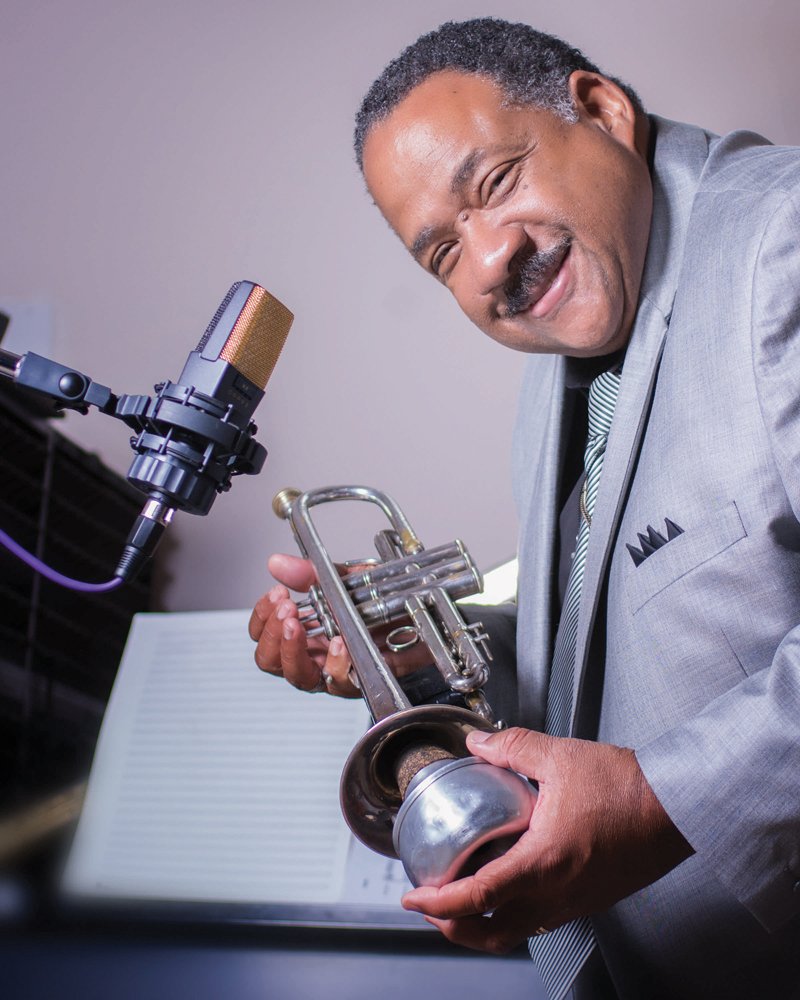
William F. “Bill” McGee is an Adjunct Instructor of Music at VSU who brings decades of experience as an educator, performer, trumpeter, arranger, recording engineer, and mastering engineer. A VSU alumnus and fourth-generation HBCU graduate, he began working professionally at seventeen and co-founded the band Trussel while a student. The group’s “Love Injection” became a national hit.
McGee later recorded lead trumpet with Grandmaster Flash and the Furious Five and the Sugarhill Gang, earning two gold records for his pioneering work in hip-hop. His recording credits also include the O’Jays, Patti LaBelle, and the Stylistics. His own charting releases include the Top 20 Billboard hit “Watermelon and Cantaloupe: A Tribute to Herbie Hancock.”
He holds a Bachelor of Music from VSU and a Master of Education from Norfolk State University, with additional study at William & Mary and the University of Richmond. His background also includes school administration in Petersburg and Richmond and community leadership as president of the Richmond chapter of the Southern Christian Leadership Conference.
Adjunct Instructor · Music Production Technology
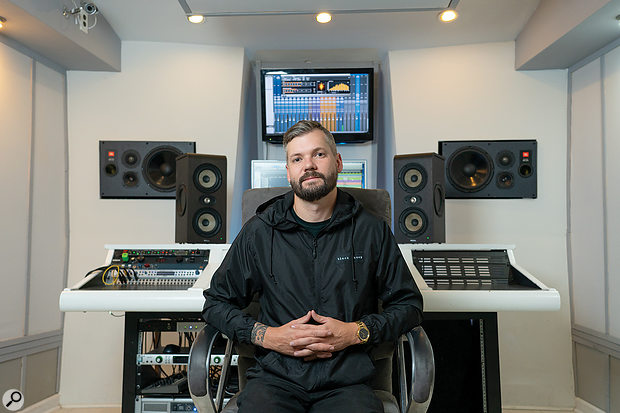
Kevin “Black Pearl” McCloskey is an adjunct instructor in Music Production Technology at VSU, where he teaches courses including Introduction to the Music Industry, Critical Listening, and Advanced Mixing. A Grammy-nominated, multi-platinum mix and mastering engineer, he connects close listening, advanced production technique, and music-business realities with current professional practice.
Based in Charlotte, North Carolina, McCloskey is co-owner of Safe and Sounds Studios and works with major labels and independent artists across genres and international markets. Projects throughout his career have accumulated more than five billion streams and more than 30 RIAA gold and platinum certifications. His selected credits include DaBaby, Future, Giveon, Shenseea, Lil Baby, Rauw Alejandro, Joji, Juice WRLD, and Buddy, along with DaBaby’s Billboard No. 1 album Kirk and the Grammy-nominated Dreamville album Revenge of the Dreamers III.
Good questions
A Bachelor of Arts in Music with a Concentration in Music Production Technology: a 120-credit degree combining music coursework, production technology, general education, and a two-course senior capstone.
No prior DAW or studio experience is assumed. The opening courses build technical vocabulary, listening skills, signal-flow understanding, and studio confidence from the ground up.
Yes. VSU offers an MPT minor for students who are not pursuing a music degree. Its entry portfolio welcomes beginner-level creative work, and no formal music or theory training is required. Review the official portfolio guidance
Your starting point depends on completed music theory, general education, and production coursework. Meet with the program coordinator early so your previous work can be mapped carefully against the MPT sequence.
Each MPT space has its own dedicated Microsoft Bookings website for eligible students and faculty. Each site shows current availability, access requirements, and session-length options for that room or workstation.
Launching soon, Trojan Soundworks will be MPT's student-run record label. Students will rotate through creative, production, business, marketing, and live roles while supporting releases and community projects under faculty guidance.
Start the conversation
Ask about the MPT major, MPT minor, entry portfolio, transferring into the sequence, visiting the facilities, Trojan Soundworks, or where your interests could fit.
dpainter@vsu.edu 804-524-5647 Davis Hall 215 · Virginia State University
From the feed
Follow the
signal
Studio updates, alumni stories, student work, and projects beyond Davis Hall, all shared as they happen.
IG @vsu_musicproductiontechnology ↗From Davis Hall to the Wind Symphony stage
Students and faculty put professional networked-audio tools to work on an annual large-ensemble recording.
The Atmos room is ready
Recording beyond campus
Student engineers partner with the Richmond Philharmonic on concert recordings and video.
Every station Push 3
Slicing, mapping, finger drumming, and building kits from scratch.
Building worlds with sound
Students create original Foley and sound effects, then work together to shape the final audio design for a video game cinematic.
Curated from recent posts and features. Each card opens its original source.